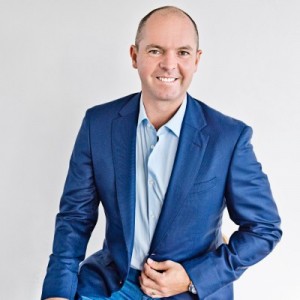
0:00:06 - Craig Schulze
Okay, everybody, welcome to this week's episode of the One Shop Movement podcast, where we dive deep into the stories of entrepreneurs, business people, anyone that's out there making it happen. Today we have a friend of mine who is an absolute genius in the fitness industry. His name is Cameron Falloon, who has, I guess, been an elder statesman of the fitness industry going back decades for his career all about high performance work with some of the most high performing athletes in the world and he's transitioned that philosophy into a business which is body fit training, known as BFT, which is an international business now in six countries, well over 200 franchises. But he's going to share a bit more about that. But yeah, he's a phenomenal entrepreneur, businessman and fitness trainer.
So, welcome to the show, cameron Morning. Craig, thanks for having me on, buddy, no worries, and look, I love you. Just to. You know you are someone that has been in the industry for a number of decades now and you do have a very interesting story to where you are today. So if you want to just share a bit about that to provide some context to the listeners, yeah, thank you for reminding me of my age.
0:01:27 - Cameron Falloon (CEO of Body Fit)
Yeah, my, my journey goes back to 1994, when I first started studying 95, I first started working in the industry. In fact that was overseas, in England, in the UK, and I did a couple of years, did over there doing personal training, did a little bit of work consulting in Malta of all places on the way back to Australia, and then got back to Australia, was doing PT, went back to university. Well, in fact, I went back and did year 12, I went to the left school early and did a carpentry apprenticeship. Came back from overseas and finished my year 12 and then went to uni and all through uni I was doing PT and started to sort of find different passions, rebuiltations, be passionate of mine. That's how I got into studying this through through a pretty serious back interview that I had as a young fellow and so work with a lot of physios and orthopedics doing back rehab.
Then sport became really interesting, was working actually in the corporate space doing corporate health, met a gentleman who used to play soccer nationally and was in the soccer group squad and that really just started to open my eyes into sport and I've always been someone who's been a bit of a blue sky thinker and sort of. I guess for me I really believe that if you put your mind to it and you really really get singularly focused on something, you can achieve anything. So he asked me one day you know what would be the absolute pinnacle for you? And at that time Manchester United were by far the biggest club, you know, biggest club in the country, in England, but also globally we'll probably one of the biggest globally and Premier League's are right up there in terms of global leagues. So I said, well, probably fitness advisor, strength and conditioning, but man, you, that'll be the goal and that really then maybe head down to sport path. So I worked with some soccer academies, uk soccer academies that had systems and setups in Australia where you would train talent and then send them over to the UK for trials and so on and so forth, and that led to football, afl football and working with several clubs in the AFL and sort of through that period I was always going in and out of floating with my businesses and you know, and so on and so forth.
So I always had that entrepreneurial bent. I was always just grappling between risking everything and being the entrepreneur and, you know, building your own paycheck, so to speak, versus being employed and having having that secure let's call it paycheck, although sports not all that secure. And then, yeah, I did that for a number of years, got to the end of 2012 and left the AFL and that time I was in Adelaide with the family, moved back to Melbourne. My wife was really keen to kick her career back off after spending some time off having and raising kids, and I said perfect, I'm really happy to hang out with the young lads. And then started a, started a 24 hour gym, which I think you know, and I've been a member of the exercise room in Footscray and did that through.
2013 was when I got that up and running, and that 2015 I started thinking on I need another challenge and started playing around as a group trying to get a lot of research on what's happening in the industry, because I just hadn't really been in that commercial fitness space and that's how, in through 2015, that's how BFT was conceptualised.
0:05:18 - Craig Schulze
Hmm, yeah, and we did meet at the exercise room and I remember I was, I guess, probably one of your foundation members there, even though I did have my own fitness clubs at the time. But it was good just to be able to train away from my own centres myself. And yeah, it's quite interesting because the landscape of the fitness industry, there's just so much different ideas and different competitions. That was a what I'd probably call a 24 hour low cost model go and do it yourself, but you could pay PT. But you've moved now into a different concept which is a bit more high focus, high level training and adopting your high performance into a business model. Is that how you would describe body fit training? If you want to just share a bit about that model?
0:06:05 - Cameron Falloon (CEO of Body Fit)
Yeah, absolutely yeah, we're group training. We're a progressive strength based group training model. So we have 13 core programs. Nine of the 13 are resistance or strength based, which I just thought was something that was really missing in the group exercise space. It was really aerobically driven. Crossfit were obviously doing strength, but pretty extreme strength, but really no one else was. People were saying they were, but you know, when you're lifting 15 kilo dumbbells in a group training class, it's not really strength training, and so it was utilising the skills and knowledge from working with athletes. And then what I guess stood out to be Craig was that I came back into this sort of commercial space. I mean, why?
0:06:53 - Craig Schulze
Why is it?
0:06:53 - Cameron Falloon (CEO of Body Fit)
that no one's using known, readily available, known knowledge in terms of exercise prescription, periodization, overload principles in the group training space with general population. Why is it that we feel like there's this exclusivity that can only be applied to athletes? And so that just led me to do more research? But BFT is progressive group strength, strength and conditioning. To a degree we do cardiovascular programs. The premise of every week that we do is that we target every energy system. So we'll have an, you know we'll have an aerobic day, you know we'll have an electric day, etc. Etc. We'll target slopes which are fast, which muscle fibres in different sessions, and then we also move in as many fascial planes as you possibly can. So often you're seeing group training or in gyms it's very linear or working in what's called your sagittal plane and you're overloading the same joints, same structures, same muscles, ligaments, etc. And so you see a lot of those kind of over time breakdown and recurrence of you know people people used to refer to you know whether it was CrossFit back or those sorts of things. And so I was trying to think okay, athletes train, especially AFL athletes. They're very well-rounded. How do we bring that methodology and that athletic development into the mainstream and give people the opportunity to get, learn the skills and get better. Because strength training is a skill and if you want to learn how to do, say, a barbell power clean, if it's in the class one day but then you don't see it again for three weeks, it's very hard to learn the skill. And so what we do is we do everything eight-week training blocks. Within the eight weeks, all the programs working together, and in some programs there'll be drills and skills that are going to help you to get to that power clean, but maybe in the power session you're actually executing the power clean and over that eight weeks it's just giving you and affording you the opportunity to learn the skill, get better, and if you can do that one, obviously you're achieving something. There's a sense of accomplishment. But two, your journey in terms of your fitness and your health is on a constant continuum and you'll have little ebbs and flows, as always.
But a lot of people go really hard with group training and then they just plateau and then, generally speaking, they kind of burn out and they go. I'm going to go into something else now. So you know, an AFL athlete comes into the system at 18 years of age and they take about seven years to really physically fully develop to be able to withstand the rigors of the week to week AFL season. And so if it takes a full-time professional athlete that long, why aren't we sort of taking that methodology, taking that mentality and then giving those tools to the weekend worry, the general punter, our members, the people that go to the gym, and giving them the tools to go on that journey as well and develop themselves?
Because it takes, as you know, it takes a long time to achieve any physical gains, whether it's muscle gain or whether it's increasing aerobic capacity or strength or whatever. You've got to be consistent at it, and so we just have a consistent methodology in our eight-week training cycles and we just apply progressive overload and periodisation principles and touch wood, it's working, mate, it's working.
0:10:39 - Craig Schulze
Well done and it is a unique space, you know, because there isn't a lot of people doing that. There is a lot of group trainings and a number of different brands out there. How did I'm really fascinated and probably why I'm doing this series where I'm interviewing franchisors and people that take that concept to market. How did the franchise concept come about? Was it a meeting with somebody? Did you go hey, we've mastered this model here, I'm going to go to this level. How did all that come about?
0:11:14 - Cameron Falloon (CEO of Body Fit)
Yeah, to be honest, I really didn't. When I started the business I really didn't know that first and foremost, what I needed to do was to prove the concept. I was aware of franchising and I was aware of the larger franchise brands and their success. I'd spent a fair bit of time really trying to understand their journey and how long it took them to be successful. But first and foremost for me it was prove the model.
I did have a family friend who was one of the founders of the SportsGear, the Sports Chain, many, many, many years ago and he just he obviously was in franchising and just said look, if you want a franchise, you just need to learn everything about your business. You need to do pilot sites, you need to invest your money, you need to get your hands dirty, you need to work in the centres. So I was in there in the first two sites with Peran and South Europe, painting walls, laying rubber floors, installing equipment, et cetera, et cetera, teaching classes and just okay, what are the pain points? Is the model right? Sort of got the model wrong early, not the change it. So certainly that discussion with Des helped.
And then I did four pilot sites. They were going reasonably well, getting feedback through the members that the programs and the system was resonating with them and really the choice then is okay, do I grow organically and just go into company-owned and myself, or maybe do some small partnerships and joint ventures where I might JV with a PT or someone who's passionate, who wants a little bit of equity and they can run the place, or do I go to the franchising route? So in early 2017, I made the decision to franchise and got in contact with some franchise lawyers up on the Gold Coast and started that process.
0:13:20 - Craig Schulze
Yeah, and obviously from 2017, we're five years later and we've had two interrupted years. Technically, you're now over well over 200 sites and in six different countries. Do you want to just share a bit about that sort of expansion and growth as well, to provide some context?
0:13:43 - Cameron Falloon (CEO of Body Fit)
Yeah, so through early parts, mid parts of 2017, I was going through that contract phase and just really understanding, okay, what are legally. There's the franchises closure documents. You got to put operations and manuals together. There's the franchise agreement. There are three key things. I got in a consultant to help with operations manuals and then late 2017, I got some investment. I was at a point where I was just getting stretched really thin on was building out technology. You know software and I'm not a software developer, but I was working with software developers and engineers and sort of trying to build. We're a very tech heavy business, so was building that. And then you're trying to do marketing and trying to do sales and I had a pipeline of franchisees but I wasn't prepared to jump the gun and so we actually didn't start franchising until.
April of 2018. Late 2017, instead of talking about some investment, two business partners one silent one works in a business. So Richard, who works in the business there with me, we just spent seven months went right. Let's absolutely make sure, before we officially franchise, that we've got the back end of the business in order, which we believe will then help us to roll out. So I think that's a good thing to do. But so the contracts was one thing. The offer, you know, was the other. What do we wanna stand for? We wanted to be fair. There's a lot of here are a lot of good and bad stories about franchisors, so fairness is the thing that we wanted. To be under pin boy and so, okay, do our contracts reflect that? Do our relationships and our contracts with suppliers and supply partners? Did I reflect that? Because they've got to win and we've got to win and franchise needs to win. So we weren't really hard.
0:15:51 - Craig Schulze
You just dropped out, buddy. Sorry, I might have got you. Yeah, you just dropped out.
0:15:59 - Cameron Falloon (CEO of Body Fit)
Apologies, yeah. So, oh yeah, do you want me to kick off from where we were?
0:16:06 - Craig Schulze
Yeah yeah, kick off from there.
0:16:11 - Cameron Falloon (CEO of Body Fit)
Yeah, so we worked really hard with that, getting contracts, supply partners, making sure that we had the ability to scale, should we be lucky enough to so, in April of 2018, we officially started selling franchises in an upper phylex in Sydney. As I said, we had a pipeline of sort of eight or 10 potential franchises ready to go, so I guess that was a low hanging fruit More.
0:16:48 - Craig Schulze
More.
0:16:49 - Cameron Falloon (CEO of Body Fit)
And so I'm an experienced product. That good paying is hey Per.
0:17:15 - Craig Schulze
We can fire up, okay.
0:17:21 - Cameron Falloon (CEO of Body Fit)
Yeah, so we have had fast growth. We didn't officially franchise until April of 2018. I took on some investment into the business late in 2017, and two business partners one, who's Sile, and the second, richard, who works in the business with me and we spent seven months. We just went really hard for seven months and, just right, let's get off the learnings that we've had, that I've had in initial four sites. We've got, you know, four P&Ls that we can use. Let's learn as many lessons as we can and let's make sure that the contracts whether it's the franchise agreements, whether it's supplied partner contracts that everything reflects how we want this business to be going forward. And we touched on fairness. That's an M1 value that we want to be known as, and if there's anything that people say about us that they'll say you know one, at the end of the day, they were fair, because there are a lot of bad stories around franchisors and so on in various industries in franchising. So we wanted to make sure that our offer, whilst we thought was compelling, we thought we had a real niche in the market in terms of the core product. It was important that we never lost sight of who the really important key stakeholders in the business are, and that's our members, our franchisees and then, thirdly, us as the franchisor, and if all of those three parts are winning, the business breaks down. So we worked hard for seven months.
I had a pipeline of people interested in purchasing a franchise who had seen and attended the original four sites, and we launched at FileX in April of 2018.
And then so we had about eight or 10 franchises that we could sign up straight away, and what was really important then was, you know, making sure that we got them open, that they were running properly, that we were still learning lessons, because you're always learning and making mistakes and the success going forward was going to be predicated off how successful those sites were, and so we really put a lot of time into making sure that those franchisees were all trained, that their staff were all trained, that we were constantly just monitoring our own systems and processes, and that really allowed us to grow quickly.
And the work that was done in that seven months with supply partners you know agreements building those relationships allowed us to then, when we needed to scale, to scale quickly because we partnered with the right companies, and so we're currently what's that? 2018, so four or a bit years later, we're 235 sites open, we're nearly 550 sites sold globally, we're in six countries and that's notwithstanding the two interrupted years and I know you know very, very well here in Melbourne with COVID. So yeah, it's been a it has been a fast trajectory. But the really important thing is that we've been able to manage that growth and that really has come off the back of those the two years of where I've did the four test sites and then that seven months where Rich and I worked really hard to get the back end in order.
0:20:53 - Craig Schulze
And you mentioned earlier that you your tech, heavy tech focused company. When you say technology, you referring to franchisee back end or you're referring to technology that's innovation towards the members and the member experience.
0:21:15 - Cameron Falloon (CEO of Body Fit)
Yeah, both, craig, both. We are really someone, actually head office of the other day. You know, we're more of a tech company than we are a fitness company. We all about all this, the software and the back end touch points that our franchisees have with that, that have their own dashboard with their own apps, with their own exercise databases and we're able to deliver programs anywhere in the world, and so we do all that digitally. But then the back end of that, what's called our admin portal, which is really comprehensive and it's a huge development stack. It's that houses all of our how to material, if you feel like a better word, so all of our operational material how to franchisees run their businesses. So there's sales assets, there's operational assets in terms of the data they're running of their business, there's how to maintain equipment, there's cleaning protocols, like everything that supports the franchisee business. We have a really really comprehensive administration portal and then that also links into our exercise portal. But also our heart rate. We've built our own bespoke heart rate system and gamification, which is unique to strength training. No one's doing it in the world. He's bespoke to BFT, so it's of no use outside of our network. But so, yeah, it's twofold and we'll continue to evolve that and build that.
We've partnered with exponential fitness in the US, who are a NASDAQ listed company, and they're really keen on driving and helping to drive the technology side of things and better integration into things like Apple Watches, or seeking out opportunities with other third party tech companies whether it's, you know, aura Rings or something like that and just exploring the possibilities.
There's so much that we can do and, again, I've been very fortunate working with elite athletes and being in a high performance environment.
That a lot of what people are seeing in the commercial fitness space now I was using 15, 20 years ago in elite sport, so it's not new technology. What's important, though, is how do you use it and how are you then giving that information to your members and your franchisees in a really simple but meaningful way, because there's so much data that you can get you know, for example, off an optical sensor on an Apple Watch, but what a lot of people don't realize is that they're actually quite inaccurate. So is that data really reliable for you and is the information you're getting really actually giving you meaningful information that's going to influence what you do on a daily basis in terms of your exercise and recovery and lifestyle. So we work really hard to make sure that we sift through the thousands and thousands of different options that we have with data sets to only give our franchisees and members really meaningful and impactful data that's going to influence their decisions on their lifestyle and exercise choices.
0:24:39 - Craig Schulze
Well done. The gamification concept is, you know, very powerful, I guess, in all sorts of businesses and life settings now. And, you know, if you've got the tech and a unique space, unique niche, which you have in that high performing, you've got a really good offer for franchisees as a point of difference of who your target market will be. So that sounds fantastic. So, in regards to international expansion, every culture, every country has different laws, different ways to do things. I have been able to distribute products into 100 different countries myself and coming across the different ways of life can be challenged. And have you found that as a problem for you in business? Or, yeah, love to hear about it?
0:25:41 - Cameron Falloon (CEO of Body Fit)
Yeah, that's a good question. To be really honest, we're probably just now starting to navigate some of those challenges. We've been very fortunate Our early growth and, you know, just incredible, the power of social media, how initial sites into New York all came from people who saw us on social media. And really New Zealand, you know I mean it's an Eastern state of Australia, it's closer to get to than WA. Culturally, it's very similar, languages and an issue laws very similar, so that was a lot easier for us to manage.
Singapore also grew out of sort of social media organically and we didn't target that region, but it's a really successful region for us. We have nearly 30 open franchises doing really well. And so the lessons, the lessons we had to learn in Singapore were more around real estate and the challenges given such a highly densely populated populated country. But they live vertically in terms of, you know, high rises and so on and so forth, and it's hard, hard finding the real estate that we thought might have been ideal for our model. So it's actually just spending time in country and understanding those local nuances.
We're now, you know, we're now navigating challenges. We're just about to expand into the Netherlands and Germany and just spent a bit of time in Spain, so it's incredible where you can go into these countries. We can travel from Melbourne to Perth over 4000 kilometers and not much really changes, whereas you do that in Europe, and it changes significantly because there's just so many different countries and cultures and languages and laws are different. Germany's, you know, not a new adopter of technology and innovation, so they like it to be proven in other countries, whereas on their board of the Netherlands, they're extreme early adopters in terms of the fitness space. So it's really interesting and you've just got to be in country and you've got to understand those nuances and then speak to locals, speak to government and then really develop your strategy Okay, where's the best place for us to go and why, and for us we spend a lot of time doing that, but once we make a decision to go, we put everything into it and we don't get too distracted with an opportunity that might pop up somewhere else. And that's really critical, because I hear a lot of franchise groups who are maybe in their infancy or they're a similar journey to us in terms of timeframe that are in 13 or 14 or 20 different countries and there's nothing wrong with that, by the way, but for us all it does is spread your resources thin and really puts a drain on cash flow time.
We do more of an approach that we'd rather go into less countries, but do them really really well and learn the lessons and invest heavily into that region and grow that region to make sure that we're giving every investment opportunity. You're the best chance of success, and so that's just a different, a different way. It's not the be all and end all, it's just a different philosophy and everyone does it differently. But yeah, we're just learning those challenges.
You know, europe's a challenge because it's on the other side of the world and we've been, as I said, very spoiled that traveling to New Zealand's only a couple of hours away or Singapore's only six hours away. So now getting on a plane and spending 24 plus hours traveling makes you think a little bit differently, you do your diligence a little bit differently, because it's not just a quick turnaround if I need to jump on a plane and go back again. So we tend to spend a bit more time away now, but really productive time, very little downtime. Make the most of every opportunity and make sure that the decisions you're making are really well informed and researched and validated.
0:29:51 - Craig Schulze
Yeah, you mentioned there the time zone thing. Do you, as a franchise or group, look to have centralised head office model where the message is all coming out from the same centre, or are you trying to build a corporate head office that spreads across multiple time zones? Or are you looking to even consider master franchises a possibility as a part of your growth as well?
0:30:28 - Cameron Falloon (CEO of Body Fit)
Yeah, I'll answer the last question first. Master franchising absolutely is part of our model. We've sort of ranked a list of countries that we just call in tier one for luck have a better word but they're the culturally similar predominantly English speaking laws and regulation around franchising are very familiar or similar to what we have experienced, and so therefore we feel really well equipped to go into those regions ourselves and do them organically and put staff on the ground, versus the MFA option which we're in discussions with some people in Thailand and India, where we feel that we would take far longer and it would be a huge challenge for us to go. India is a great example. It's such a massive country that you could potentially have for master franchises. So for us to go in there and do the due diligence to understand all of the local nuances with language, culture, the laws, because it changes significantly whether you're in the north to the south, as an example, we're better placed to find the right investor as a master franchisor or sub franchisor over there and then support that one person or a group of people and let them run the brand in that country, because I know it well, they're locals and so master franchising is on our radar. It's not a focus right now but we are having some conversations.
But in terms of resourcing, we haven't head office in Melbourne, in Richmond We've actually just put on a CEO for Asia Pacific, dave Acheson, and so the plan going forward is that we would roll all new, existing or developed regions under Dave's portfolio so that he continues to grow with the business. So that might be, let's say, we go into Malaysia and we start selling. We feel like we've got a critical mass of franchises open, we've got staff on the ground, we feel like that region is running well. That would then come under Dave's mandate and he would then manage that. So that would be in addition to the existing APAC sites, which is Australian and Singapore, and then Rich and I would continue just to find new regions and grow international.
But Europe's an interesting one, craig. We think that just the size of it, the tyranny of distance, all those language and cultural and other nuances that we would need to really learn, we feel that that region of the world's better place to have a head office set up somewhere, whether it's in the UK, or in the UK or in the UK, whether it's the Netherlands, or somewhere in the upper western part of Germany, like Dusseldorf, where it's quite international, they're familiar with multiple languages and so on. It's easy to get everywhere. So we're just exploring that at the moment and it's something that we'll decide probably over the next 18 months. Pending sales and growth opportunities in that part of the world.
0:33:47 - Craig Schulze
Very exciting, and I've been to India doing business. I've been on about 12 trips there and everyone gives me another funny story, so I look forward to catching up to you when you go there. And yeah, it's exciting growing with a business. I haven't had the expansion that you have, but at one stage I'd set up 22 franchises myself and just it was an exciting journey watching something grow. So just an interesting point one of my biggest challenges I faced in my business growth was actually during the global financial crisis. We've had two interesting years, to say the least now and there is a lot of, I guess, noise around macroeconomic issues. Do you feel that that's something that you'll have to consider in your your expansion?
0:34:46 - Cameron Falloon (CEO of Body Fit)
Absolutely. I was actually at the FIT Summit in Bangkok last week and I was asked that question two weeks ago. Are we worried? Yes, we are. There's so much uncertainty at the moment, but I think you speak to everyone in the industry. They're worried, especially coming off the last two years.
What gives us confidence is one the strength of our brand. We've been able to really perform strongly through COVID and we were locked down for a significant period of time, but every opportunity where we came out of lockdown in the various jurisdictions that we operated in, we bounced back really quickly. So I think that speaks volumes to not just our franchisees but how much our members love our product, but also our great staff that we have and the great job they do with supporting and training our franchisees. And what we've seen historically in we've spent a lot of time looking at this and learning from history is that with the GFC, even through COVID, people start to make choices on where they're spending their money. And we touched on I have the exercise room a low budget, essentially a budget health club $12 a week, no service, but 500 square meters of great equipment, versus the BFT model which is $60 a week, high service, lots of technology, great member experience and engagement. So I think it's a mid-market area of the industry that suffers because people are making a lot of money. They're making a choice on price am I going to go budget and do it myself or am I going to go the other end and get rewarded with the great customer experience, the high touch points from a training perspective, the community engagement in our studios at BFT are largely built on community. So I think that's a good thing. So that gives us a lot of confidence that even through these challenging times of inflation and there are a lot of these macroeconomic challenges globally and certainly in different countries in different ways is that our sites are performing strongly.
And the UK is really, really impacted by inflation at the moment and we're open up our first franchise in the last in late September of this year they have, with 175 members paying 30 pounds a week. So they're making money day one. And I'm not sure if you know Lester, but it's probably one of the most multicultural cities in the country but also sort of low-medium socioeconomic cities in the country as well. So that gives us a lot of confidence that the model stacks up and that when people are making choices and I think COVID has really pushed people or allowed people to have time to think about what's important in their life, and health and fitness is definitely becoming really really a top priority for people Not that it ever wasn't, but I think it's more before, a friend of people's minds after being locked down, isolated. So people are prepared to pay for their health and fitness.
But also off the back of COVID, people want community, humans crave human connection and our franchise model is built off community and so it's your home away from home. It's an extension of your family, it's going in and the trainer's knowing your name, you knowing for me, your faces, them knowing all about your life, a place where you can train and get results but also feel really comfortable and actually have fun exercising, and that's really critical. So we absolutely we're very frugal. We keep an eye on where we're spending every cent and making sure that those choices are wise and we have that obligation as a franchise or anyway, but even more so through these times. But I think we spend a lot of time learning and reading and understanding of what's happened in the past and we feel like after the last two years we'll be out of weather whatever gets thrown at us going forward.
0:39:19 - Craig Schulze
Well said, I did have a question on tech and innovation, which I think you've pretty much covered really well, because it's such an important part of building a business and, I guess, an infrastructure and a great proposition for your franchise, just for yourself. This is a personal question. I've been a big believer in your business will grow to where you grow as an individual, do you? You've got people that have invested with you and you mentioned you had a bit of an advisor around the sports code. Do you consider that as an important part of your business growing forward? You keep on evolving as an entrepreneur and business person yourself.
0:40:04 - Cameron Falloon (CEO of Body Fit)
Yeah, absolutely 100%, and I think I'm fortunate that, coming from a high performance environment and working in sport, your livelihood and every week, basically the mood of every week, is predicated off a win or a loss, and so, therefore, you need to be open to constantly challenging firstly yourself to be better, then giving the people around you the tools and empowering them to be better, but also then seeking opportunities for external counsel, so to speak, and listening to others and learning off others and being challenged. So I think that's actually sort of probably my greatest challenge in the next two years. Actually, greg, is after the growth that we've had and being so busy with building the business but also building the technology and innovation and all the things that are the core products that we sell. It's been just such a messy focus of mine for the past five years that now we have great people who can help support that and, in some ways, take that over and take it to the next level. So I'm now learning and you're slowly in your role of putting a CEO. So that's challenging myself and Richard to just step back and actually allow someone else to take the reins through Asia Pacific, which in itself is a challenge and you learn a little bit about yourself, because it's my baby and you want to step in, but then, if I step in, why have the CEO there? So it's just setting up those mechanisms and learning. It's like training. It's a constant journey.
We've gone from a small business, going into COVID and we've come out on the other side of a medium-sized business and in four or five years' time we'd love to be a big business. We're not there yet, we're not anywhere near it. But so, yeah, there's always challenges and opportunities and whether it's in the business yourself, in terms of business skills and communication, or whether it's personally and understanding yourself better and how you're reacting to things, what are the opportunities for you to develop as a person? So that's an exciting part of where I feel like I'm at now, and it's really great seeing fantastic people come into the business who have a different lens on challenging our thinking and seeing things a little bit differently to how we do, which is fantastic because it's only going to create more innovation and drive the product forward. We don't want to be in the business that's stuck in our ways, and this is the only way we feel like we're in a really good position.
We have a real niche. We're executing it really well, but we constantly need to keep moving and evolving and driving it forward, and our brand is currently going through a transition at the moment and that's really exciting. So we've transitioned from body fit training to the BFT and eventually we'd love that people just recognize our stylized B and that's a very, very big, aspirational brand goal. Much like people see the Nike swoosh, they just know it's Nike. They don't need to see the words. So there's all those challenges. We achieve that when's the right timing? We've just added different verticals to our business with education and a few other things. So it's looking for those opportunities, who you partner with. So there's constant growth opportunities. But it's really important to go and seek good people outside of your business too, just to have a completely impartial lens on you as an individual, but also the decisions you're making and how you're thinking, and get that feedback for you to contemplate and then decide whether you want to change or whether you want to stick with the status quo.
0:44:04 - Craig Schulze
Yeah, and just you mentioned you'd like to see in the next four to five years what is your big vision. Is it 1,000 centers? Is it yeah? Love to hear it.
0:44:17 - Cameron Falloon (CEO of Body Fit)
Yeah, yeah. When I started the business in 2016, that was once I decided that I was franchising. That was the goal 1,000 franchises globally. So what's really exciting, Craig, is that we're just about to hit our 550th franchise sale. Covid's really had a bit of an impact in terms of our opens, so we've got a bit of work to do to open a few more sites around the world, but the exciting thing is those 550 sole. We've got 235 open. So there's 215 to open and most of those will get opened in the next 18 months. So that's really really exciting.
So, from a brand perspective, just the visibility more people experiencing it, more people putting it on social media that's a really exciting time for our brand. So I'd love to see 1,000 studios globally. I started the business wanting to do a couple of things and, through the training model, but also through education, I really wanted to put a dent and have some positive change in the industry and I think 1,000 studios with 250 to 300, 350 members starts to put a small dent and have a positive impact on the industry globally. So that's the goal.
0:45:48 - Craig Schulze
Well done. At the end of every episode, always ask a few rapid fire questions and not necessarily rapid fire answers, but it's a section. I ask the same question to everyone Is there a book or a podcast or some bit of content that you think that every business person, entrepreneur in the world should read or listen to?
0:46:11 - Cameron Falloon (CEO of Body Fit)
Well, good question. Firstly, I don't read anything that's fiction. I've never, ever read a fiction book in my life, so I only read nonfiction. I love reading about entrepreneurs, business people. I think there's a lot of lessons to be learned from successful sports stories, because the lessons and the ways and means of going about being a successful sporting organization and winning championships to the global level I think apply to business. Tim Ferriss got a good book Tribe of Mentors. I like that because it interviews quite a lot of people and you just get really high level snippets of what are their most important things that they've found that have driven their success, and from that you're getting exposed to so many people that that leads to more reading of more successful people. So I like that book.
To be honest, I don't have a particular podcast. I listen a lot in the health and wellness space and I listen to a lot in the successful sports space. I also there's a series in the US, ESPN series called 30 for 30. I do like watching those series. There's a lot of that, so much historical learnings from both successful and non-successful athletes and organizations. So they're probably the three that I do.
0:47:45 - Craig Schulze
Yeah, well done. And that's the One. Shop Movement podcast is now 150 interviews and I totally agree with Tribe of Mentors. They're the learning that I've had for myself. Been the host of this show has been phenomenal, so I highly recommend that book as well. What's the best bit of advice you've ever received?
0:48:12 - Cameron Falloon (CEO of Body Fit)
This came from an AFL coach. I'm going to get this wrong. Never, never underestimate your influence and never overestimate your self-importance.
0:48:32 - Craig Schulze
Wow, powerful. What about on the flip side? Is there the worst bit of advice or just something that people always say that you just totally disagree with?
0:48:49 - Cameron Falloon (CEO of Body Fit)
I don't like the words you can't. So yeah, I haven't got one thing that I totally disagree with. I just think that if you're passionate about something, chase it, chase it, chase it, chase it. Don't listen to the naysayers. I'd rather fail having a go. When I say having a go, I mean giving it everything and know that I've only failed or I haven't achieved it because it just wasn't the right timing or I'm not skilled enough or whatever it is, but at least I gave it a go.
So don't play it safe. I get a lot of advice about playing safe and I would never have started this business if I took on the advice of other people. I haven't answered that to the exact question, but I don't really have an example of something I really disagree with with anyone other than don't get yourself in. If you're really passionate, chase your goals and your dreams, and I think for maybe singularly focused, I don't get distracted with it. I've had lots of other offers to do other businesses and so on and so forth, and even with the exercise room, the 24 hour gym that my wife runs, that she owns it, I don't have anything to do with that business because I just needed to be singularly focused on BFT. So yeah, follow your passions.
0:50:26 - Craig Schulze
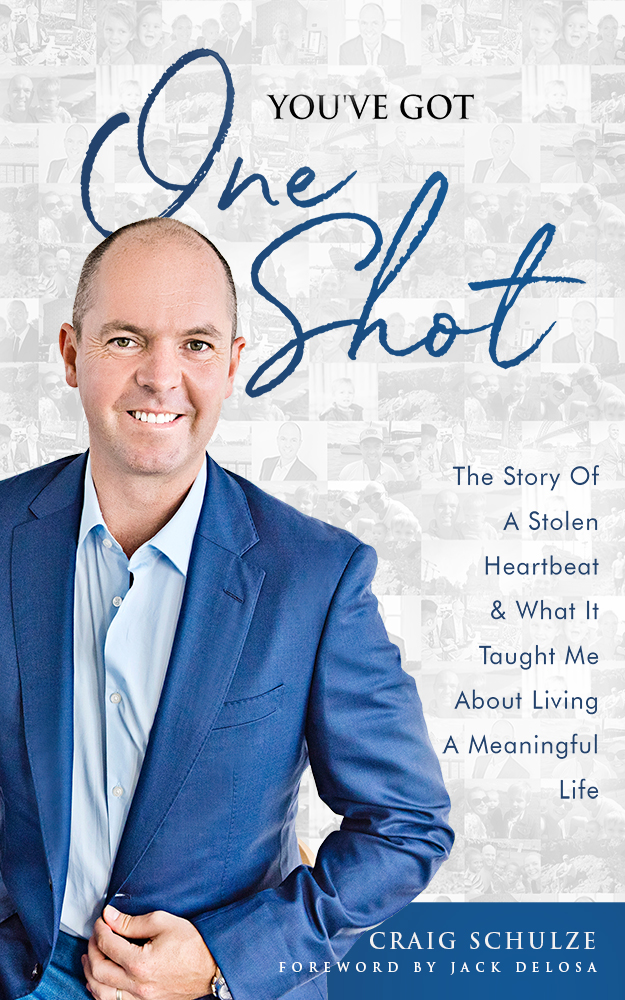
I resonate with that too, because so many people along my journey said oh, you know, you're taking too much of a risk off. You should consider staying safe. So totally resonate with that. This podcast and my book you've got one shot is about empowering people to make the most of their one shot at life. I nearly answered that in the last question. But what would you say to people that are sitting on the fences and thinking about life and and we've just been challenged the last couple of years what advice would you give to them?
0:51:04 - Cameron Falloon (CEO of Body Fit)
Oh, that's a big question. I think it is follow your passions. You've got to work hard, you know you just do so. Just embrace that. I think you want to be the best athlete in the world. It's bloody hard work. You want to have a really successful business, doesn't matter what it is. It's bloody hard work. You'll get the fruits of those labours if you work hard and then you'll be able to have what you see on Instagram or Facebook and all these documentaries where the lifestyle looks amazing but the reality of it is embrace the hard work, follow your passions.
Surround yourself with really good people. Surround yourself with people who you can trust, because no one wants to know you when you're not successful. When you are, you've been a lot of hangers on and you can get influenced in in ways if you're not really serving, and have great people around you, sense checking and advising. So get a really really good network of people who have really good values and are aligned with your values. So just be an. Embrace the hard work. Follow your passions. Most of all, enjoy it If you're not enjoying it you're in trouble.
0:52:18 - Craig Schulze
Yeah, that's totally spot on there. And just the last question how do people find body fit if they want to be a new client or if they're looking, they like what they've heard today and they'd like to explore getting a franchise? So if you want people to follow you directly, just share a bit about where people can find you.
0:52:43 - Cameron Falloon (CEO of Body Fit)
Yeah, body fit training. So we're. You know our website's a great starting point. So bodyfittrainingcom, if you're looking for a location to train, if you're looking for franchise and investment opportunities or master franchise opportunities so if you're looking for a location at bodyfittrainingcom, who heads up our sales team is a great starting point. Feel free to reach out and email me directly at Cameron at bodyfittrainingcom. So they're probably the three channels, but there's lots of information on our website. You get a really good understanding of our business and but also where we, where we operate and what we're about. So bodyfittrainingcom, thank you.
0:53:26 - Craig Schulze
Well done and thanks for taking the time today. This series is really inspiring stories, but educational, where people can learn, and what we've learned today from you, cameron, about you know international expansion, challenges, fast growth opportunities, singular focus and the fact you put together a unique proposition in this highly competitive industry. It's been highly valuable, so I want to thank you for taking the time for jumping on the show.
0:54:02 - Cameron Falloon (CEO of Body Fit)
Thanks, greg. I really appreciate the opportunity and love what you're doing. Mike, congratulations, cheers.